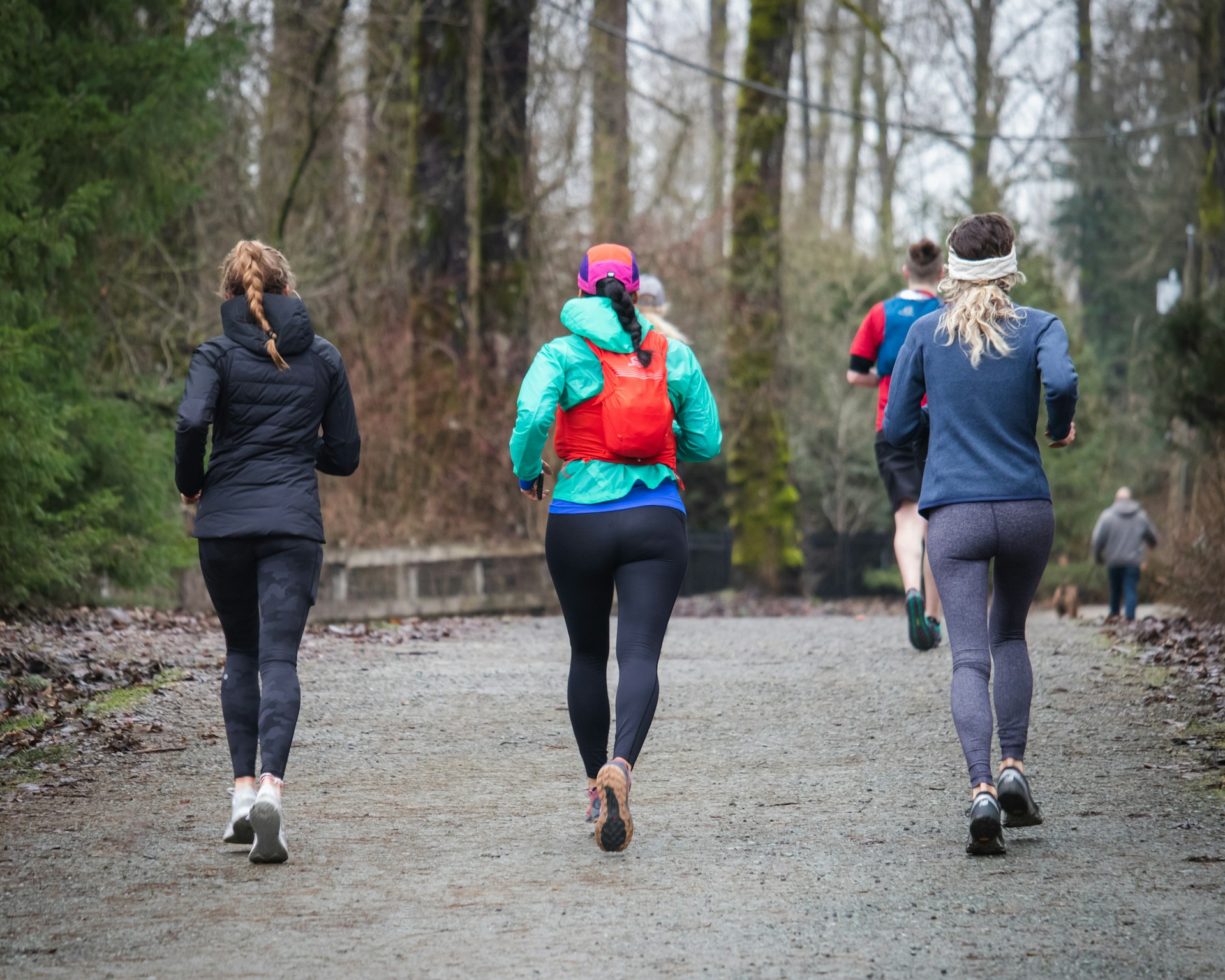
Winter demands more from athletes than just warm clothing and grit. Snow, ice, and cold air add challenges that shift how training and conditioning should be approached. Whether you're into hockey, skiing, or any cold-weather sport, staying strong, flexible, and ready to move is the key to performing well and staying safe. The cold can't be ignored. It affects how muscles work and how fast the body can recover. That’s where winter sports conditioning steps in.
For those training around the Dayton area, local weather makes conditioning even more important. Ohio winters can be unpredictable, and that can mess with your regular training schedule. Indoor facilities offer a solid solution, but your routine has to adjust too. The right mix of workouts and recovery strategies can help anyone, from teens in school leagues to serious adult athletes, make real progress during the winter sports season. Here are the areas that deserve attention so you don’t lose momentum just when you need it most.
Importance Of A Balanced Conditioning Routine
Every sport tests your body in its own way, but winter sports turn up the difficulty. Cold weather affects how your muscles respond and how easy it is to stay limber. A balanced approach to conditioning can make a big difference in both how you feel and how you perform. You need more than just strong legs or fast reflexes. It’s the whole package that counts.
An ideal winter conditioning plan should include:
- Strength training: Focus on building muscle power, especially in the legs, back, and core. These areas take the brunt of force in many snow and ice sports.
- Endurance work: Your stamina takes a hit in cold temperatures. Keeping up cardiovascular training through winter helps you maintain energy even in uncomfortable weather.
- Flexibility and mobility exercises: Cold muscles get stiff quickly, and that increases the risk of injury. Stretching and movement drills help you stay limber and mobile before and after activity.
- Agility drills: Quick changes in direction during ice or snow-based sports require agile movements. Ladder drills or cone drills indoors can build that skill.
One approach that works well is rotating focus areas throughout the week to avoid burnout. For example, plan strength on Monday and Thursday, cardio on Tuesday, flexibility and light mobility on Wednesday, and agility on Friday. Use the weekend for either active recovery or sport-specific practice. This kind of variation keeps muscles from getting overused while still building total-body readiness.
Commit to the whole range of skills, not just what you're already good at. It's easy to repeat what feels comfortable, but true growth often lies in the areas that still need work.
Warm-Up And Cool-Down Strategies
Skipping a warm-up in cold months can lead to trouble. Cold air makes muscles feel tight and joints less fluid. Whether you’re practicing indoors or out, warming up helps activate not just your muscles but your mind as well. A good warm-up sends oxygen to the tissue and builds body awareness, which matters during fast-paced or sharp-moving sports.
A well-planned warm-up includes:
1. Dynamic movements: Start with leg swings, arm circles, walking lunges, and high knees.
2. Light cardio: Jog in place, jump rope, or use a stationary bike for a few minutes to get blood flowing.
3. Sport-specific drills: Add in gentle movements that mimic what you’ll be doing during your activity.
Cooling down is just as important but usually gets skipped. After working your body hard, taking a few minutes to wind down helps muscle recovery and supports flexibility. It also lowers your heart rate in a slow, steady way.
To cool down the right way:
- Do 3 to 5 minutes of light movement like walking or light cycling.
- Follow with static stretches for major muscle groups like hamstrings, quads, calves, lower back, and shoulders.
- Use deep breathing to help your body shift from active mode to a more relaxed state.
Both warm-up and cool-down routines should be part of your workout plan. They help protect against injury and keep your system running smoothly all winter. Skipping them might not seem like a big deal once or twice, but skipping them often can lead to problems. Consistency matters.
Nutrition And Hydration For Winter Training
Fueling your body the right way is key for staying sharp and strong in cold weather. The chill can make you feel hungry faster, and you might not realize you’re getting dehydrated even if you’re not sweating a lot. Your body still loses fluids that need to be replaced, no matter the temperature.
Start by building meals that balance protein, carbs, and healthy fats. Carbs keep your energy up, protein supports muscle repair, and fats help you stay full while aiding your body's recovery. You don’t have to overthink it. A turkey sandwich, apple slices, and a handful of nuts can do the job well before training.
Hydration in winter takes more attention than many realize. Here are some ways to stay hydrated:
- Keep a water bottle with you during training
- Sip water during workouts instead of drinking it all at once
- Add a slice of lemon or a pinch of salt to water for better flavor and hydration cues
- Eat foods with high water content like oranges, apples, and cucumbers
It’s also smart to cut back on caffeine right before a workout. That extra cup of coffee can lead to jitters or fluid loss, making you feel off mid-session. Water or a low-sugar sports drink is a better choice before and after working out.
Winter sports conditioning in Dayton means more than what you do on the field or track. It’s about how you fuel up and hydrate to keep going strong.
Building Mental Focus During Cold-Season Training
Staying consistent in harsh weather takes more than power—it takes mindset. Cold days, early sunsets, and shortened practice time can wear on your motivation. That’s why mental focus matters just as much as the physical side of training.
Here are some ways to boost your mindset when days feel heavy:
1. Set mini goals. Try setting a goal just for the week or even the next practice.
2. Track progress. Jot down your workouts and how you felt in a notebook. Seeing improvements helps build motivation.
3. Use mental rehearsal. Before your workout, take a few quiet minutes to imagine yourself performing drills or competing with confidence.
4. Shift your mindset. Replace negative thoughts with positive ones like “I’ve got this” or “One set at a time.”
5. Change it up. Swap playlists, switch training locations, or try new exercises to stay engaged.
One athlete at our facility stayed focused through a hard winter by taping quick motivational lines inside their locker. Phrases like “Just start” or “Give 10 minutes everything” helped them push through rough mornings and dark evenings.
The winter season doesn’t have to drain your energy. A few mental tricks can make each session lighter and more rewarding.
Strength Comes From Smart Planning
Training right through winter means a lot more than just pushing hard. The smarter your plan, the better your results. That means warming up well, staying fueled, and keeping your mood and focus on point. Athletes around Dayton know the weather won’t always cooperate, but with the right routine, it doesn’t have to hold you back.
Progress comes from consistency, not perfection. You don’t need to train every single day to start seeing gains. Just a few smart, thought-out sessions a week can make all the difference between falling behind and moving forward. When your game plan includes strength, movement, hydration, mental focus, and recovery, progress becomes steady and sustainable.
Winter has its challenges, but it also offers a perfect time to adjust, recharge, and build a solid foundation. When spring and summer show up, you’ll already be ahead.
Looking to take your winter training up a notch? Embrace the benefits of sports conditioning in Dayton to enhance your performance no matter the cold. Fast Twitch Sports Performance offers supportive environments where athletes can thrive. Integrating expert guidance can make all the difference in achieving your goals this season. Take the next step to refine your conditioning approach and stay ahead of the game.